Why Algeria and Austria Drew 3-3
Algeria and Austria finished level at 3-3 in their 2026 FIFA World Cup Group J finale in Kansas City, with both nations advancing to the knockout phase. Austria’s Marko Arnautovic, Marcel Sabitzer, an...
Why Algeria and Austria Drew 3-3
Algeria and Austria finished level at 3-3 in their 2026 FIFA World Cup Group J finale in Kansas City, with both nations advancing to the knockout phase. Austria’s Marko Arnautovic, Marcel Sabitzer, and Sasa Kalajdzic scored, while Algeria’s Rafik Belghali and Riyad Mahrez, twice, found the net. Each team ended the match with 4 points from three games, recorded one win, one draw, and one defeat, and carried a -1 goal difference. Austria placed second behind Argentina, while Algeria qualified as one of the eight best third-place teams. The 96th-minute equaliser eliminated Iran and confirmed both teams’ progress. For anyone checking the Algeria national football team vs Austria national football team standings, the practical conclusion is simple: the draw benefited both sides, but Austria secured the stronger group position and a more favourable knockout pathway.
The match carried the uneasy feeling of a “safe” draw turning poisonous in stoppage time. Algeria appeared to settle for 2-2, then Riyad Mahrez struck in the 93rd minute. Austria appeared finished after Mahrez’s stoppage-time goal. Six minutes later, Sasa Kalajdzic headed in the equaliser, and the final standings suddenly rewarded both teams instead of punishing either one.

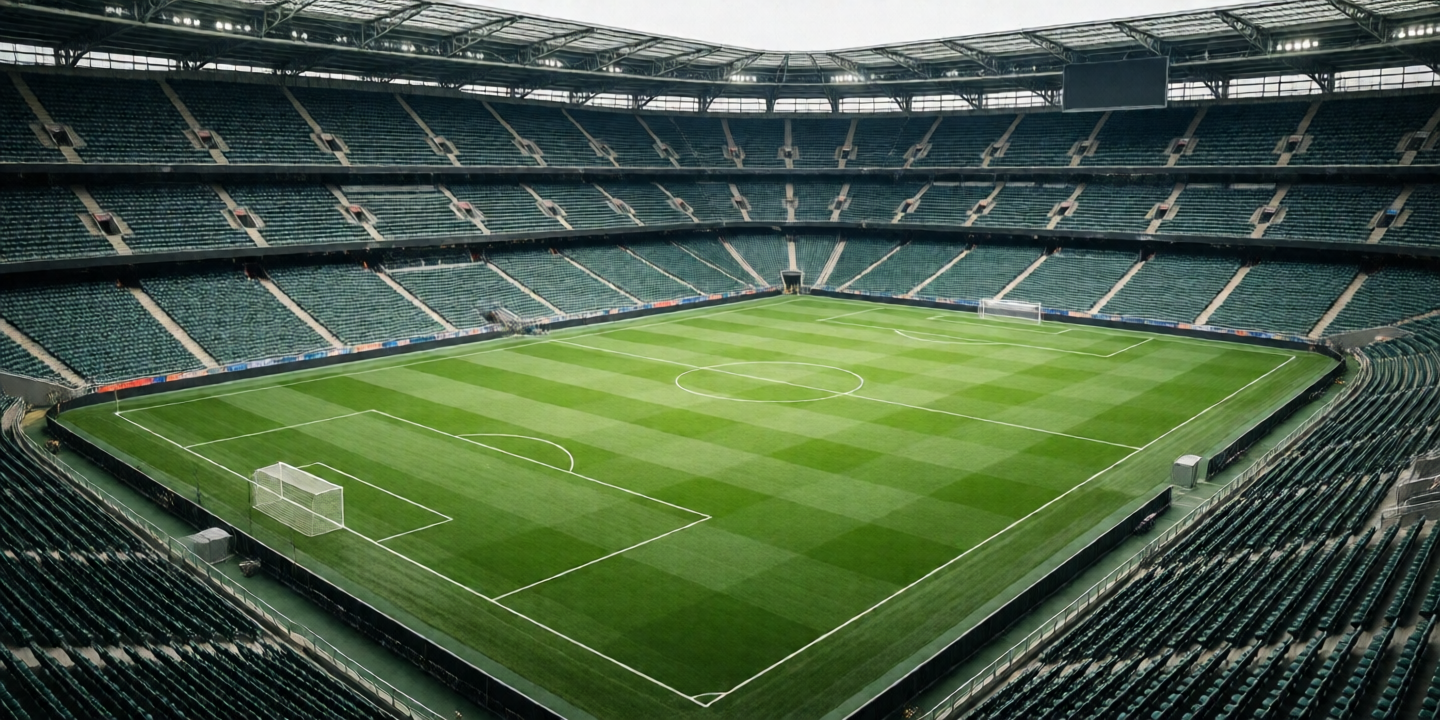
Photo by Aziz Abdulrahman on Pexels
What the Analysis Shows
The Algeria national football team vs Austria national football team standings can be assessed from three angles: the final Group J table, the qualification mathematics, and the match events that changed the outcome. The key finding is that the 3-3 scoreline was not merely entertaining; it directly shaped the tournament futures of Algeria, Austria, and Iran. Austria finished second with 4 points, while Algeria occupied third place with the same total, and Argentina won the group.
The standings must be read alongside the tournament’s third-place qualification system. Algeria did not advance because it defeated Austria; it advanced because its four-point total and goal difference placed it among the eight strongest third-placed teams. Austria avoided that calculation entirely by finishing above Algeria in Group J. According to the FIFA World Cup competition information, group ranking depends on points and applicable tiebreakers, while the Associated Press match report confirmed that Iran would have progressed if either Algeria or Austria had won.
There is an important edge case here that casual tables often hide: a victory for either side would have left the loser exposed to elimination. The draw protected both teams, but only after Kalajdzic’s late header restored Austria’s position. For deeper tournament context, readers may also want our guide to World Cup group-stage tiebreakers, because third-place calculations can become surprisingly unforgiving.
Final Group J snapshot
| Team | Record | Points | Goal difference | Outcome |
|---|---|---|---|---|
| Argentina | Not specified here | Group winners | Not specified here | Advanced |
| Austria | 1-1-1 | 4 | -1 | Finished second |
| Algeria | 1-1-1 | 4 | -1 | Advanced as a best third-place team |
| Iran | Not specified here | Below qualification line | Not specified here | Eliminated |
The available match listing records Austria and Algeria with identical 1-1-1 records, four points, and a -1 goal difference. That identical headline line should not be mistaken for identical tournament status: Austria’s second-place finish and Algeria’s third-place route produced different knockout opponents.
Setup & Initial Impressions
The match began as a contest between Austria’s direct attacking threat and Algeria’s ability to create danger through Mahrez. Marko Arnautovic opened the scoring in the 28th minute, giving Austria the early advantage and forcing Algeria to chase the game rather than manage it. Rafik Belghali responded just before halftime in the 45th minute, an equaliser that mattered psychologically because Algeria entered the interval level instead of trailing.
Marcel Sabitzer restored Austria’s lead in the 55th minute, but Mahrez answered five minutes later. That sequence explains why the Algeria national football team vs Austria national football team standings cannot be understood through the final table alone. Austria repeatedly found ways through Algeria’s defensive structure, yet Algeria had enough individual quality to answer before the match escaped them.
Austria looked more comfortable when the match became vertical. Arnautovic offered a physical outlet, Sabitzer connected midfield to attack, and Kalajdzic eventually supplied the aerial solution. Algeria, meanwhile, leaned heavily on Mahrez’s timing and technique. The contrarian lesson, perhaps, is that Algeria’s best path was not necessarily to defend the draw; once Austria’s front line was creating repeated pressure, a controlled attacking spell may actually have been safer than passive possession.

Where It Held Up
Why did the 3-3 draw benefit both teams?
The 3-3 draw benefited both teams because Austria remained second in Group J and Algeria earned enough points to qualify among the best third-placed sides. Iran was eliminated because neither Algeria nor Austria lost, while a winner in this fixture would have made the defeated team vulnerable to the third-place ranking process.
The match held up as a qualification contest because both sides continued attacking even after the score reached 2-2. Mahrez’s second goal in the 93rd minute seemed to give Algeria a dramatic victory, but Austria immediately pressed for the result it needed. Kalajdzic’s 96th-minute header was therefore more than an equaliser: it was the decisive qualification event for Austria.
The main strengths were clear:
- Algeria’s resilience: Belghali and Mahrez answered Austria’s goals instead of allowing the deficit to widen.
- Austria’s attacking variety: Arnautovic provided power, Sabitzer contributed from midfield, and Kalajdzic attacked the air.
- Late-game urgency: Austria did not accept elimination after Mahrez’s stoppage-time strike.
- Group awareness: Both teams understood that a draw could preserve their tournament lives.
BBC Sport described Kalajdzic’s goal as a 96th-minute equaliser that confirmed Austria’s place in the last 32. That timing is the second information gain worth remembering: stoppage time was not a footnote in this match; it changed the qualification outcome after the apparent final decisive moment had already occurred.
To compare this game with other decisive group finales, see our 2026 World Cup knockout-stage qualification analysis.
Where It Fell Apart
What went wrong for Algeria and Austria defensively?
Both defences failed to protect leads, producing a six-goal match in which each side surrendered an advantage. Austria led twice but could not close Algeria out, while Algeria allowed Arnautovic, Sabitzer, and Kalajdzic to score, exposing weaknesses in transition defence and late-game marking.
For Algeria, the most damaging moment was not necessarily conceding the opening goal. The larger concern was losing control after Mahrez’s 93rd-minute strike. A team protecting a one-goal lead in stoppage time needs compact spacing, secure clearances, and disciplined marking on second balls. Instead, Kalajdzic found the decisive aerial opportunity six minutes into added time.
Austria had a similar problem earlier. Arnautovic’s 28th-minute goal and Sabitzer’s 55th-minute strike should have created a platform for controlled possession, but Algeria repeatedly re-entered the match. The repeated pattern suggests that Austria’s attacking strengths were not matched by sufficient protection behind the ball.
From a prediction perspective, this is where many pre-match models can mislead readers. A table may show Austria and Algeria level on four points, but it does not reveal how often each team lost defensive control after scoring. Fan Strategy’s World Cup coverage is most useful when the standings are combined with match-state analysis rather than treated as a standalone betting signal. Responsible readers should also consult responsible football betting bankroll principles before using tournament statistics in any wager.

Match events at a glance
- 28th minute: Marko Arnautovic put Austria ahead.
- 45th minute: Rafik Belghali equalised for Algeria.
- 55th minute: Marcel Sabitzer restored Austria’s lead.
- 60th minute: Riyad Mahrez made it 2-2.
- 93rd minute: Mahrez scored again in stoppage time.
- 96th minute: Sasa Kalajdzic headed Austria level at 3-3.
Would the Data Be Useful Again?
Is the Algeria national football team vs Austria national football team standings data useful for future analysis?
Yes, the standings are useful for establishing qualification status, but they are insufficient for predicting future matches without goal timing, opponent quality, and defensive context. Austria’s second-place finish and Algeria’s best-third-place qualification route are firm facts; the identical four-point totals do not prove that the teams performed in the same way.
The standings can serve as the first layer of analysis, followed by at least four checks:
- Result profile: Both teams recorded one win, one draw, and one defeat.
- Goal difference: Each was listed at -1, an unusually poor margin for teams that advanced.
- Late-game behaviour: Austria’s 96th-minute goal demonstrated urgency, while Algeria’s late concession raised closing-game questions.
- Knockout draw: Austria received Spain in Los Angeles, while Algeria drew Switzerland in Vancouver, British Columbia.
The knockout assignments also change the interpretation. Austria’s reward for finishing second was a match with European champions Spain, while Algeria faced Switzerland. Finishing above Algeria did not guarantee an easier opponent, which is another useful tournament-specific observation. In other words, league position secured advancement status, but it did not automatically create a favourable competitive path.
The ESPN match report records the final 3-3 score and the principal scorers. That report can be saved alongside the standings rather than relying on a cropped social-media table, because the timing of Mahrez’s second goal and Kalajdzic’s response is essential evidence.
Want a more structured way to follow the tournament? Fan Strategy publishes daily FIFA World Cup match predictions, tactical notes, and player-stat breakdowns, but no preview can remove football’s uncertainty.
Frequently Asked Questions
Q: What are the Algeria national football team vs Austria national football team standings?
A: Algeria and Austria were both listed with 4 points from three matches, using a 1-1-1 record and a -1 goal difference. Austria finished second in Group J, while Algeria finished third but qualified as one of the eight best third-placed teams. The 3-3 draw preserved both nations’ tournament hopes and eliminated Iran.
Q: How did Algeria and Austria qualify after drawing 3-3?
A: Austria qualified automatically by finishing second in Group J, while Algeria advanced through the best-third-place ranking. Their four-point totals were enough for Algeria to remain above the elimination threshold. The decisive match detail was Kalajdzic’s 96th-minute equaliser, which prevented Austria from losing and kept both teams ahead of Iran’s qualification scenario.
Q: What is the difference between Austria finishing second and Algeria finishing third?
A: Austria’s second-place finish came directly from its Group J ranking, whereas Algeria’s third-place finish required comparison with third-placed teams elsewhere. Austria was therefore confirmed without depending on the wider table. Algeria needed its four points and goal-difference position to qualify as one of the eight strongest third-place teams.
Q: Who scored in the Algeria vs Austria 2026 World Cup match?
A: Austria’s scorers were Marko Arnautovic, Marcel Sabitzer, and Sasa Kalajdzic, while Algeria’s goals came from Rafik Belghali and Riyad Mahrez, who scored twice. Arnautovic scored in the 28th minute, Belghali in the 45th, Sabitzer in the 55th, Mahrez in the 60th and 93rd, and Kalajdzic in the 96th.
Q: Why did Sasa Kalajdzic’s late goal matter so much?
A: Kalajdzic’s 96th-minute header rescued Austria from potential elimination and confirmed its place in the last 32. Before the goal, Mahrez’s stoppage-time strike had placed Austria’s qualification at serious risk. The equaliser also ensured that Algeria remained through as a best third-placed team and that Iran was eliminated.
Q: What should I check when analysing World Cup standings?
A: Check points, win-draw-loss record, goal difference, applicable tiebreakers, and the rules for third-place qualification. You should then review goal timings and knockout opponents, because a table alone cannot show whether a team repeatedly lost leads. For 2026 Group J, Austria’s second-place status and Algeria’s third-place route required different interpretations despite both having 4 points.
Q: Is Fan Strategy suitable for Algeria and Austria match predictions?
A: Fan Strategy is designed for FIFA World Cup coverage, including predictions, tactical analysis, player statistics, and tournament standings. Its material can help readers organise evidence, but it cannot guarantee a result or eliminate betting risk. Use match analysis alongside official FIFA information, set a firm budget, and avoid treating a dramatic draw such as Algeria 3-3 Austria as proof of future performance.
The final lesson is rather uncomfortable, but useful: the Algeria national football team vs Austria national football team standings show identical records and points, yet the routes to advancement were completely different. Austria survived through a late equaliser and second place; Algeria survived through the best-third-place calculation. For future 2026 World Cup analysis, always pair the table with match timing, goal difference, qualification rules, and the next opponent.
Ready to follow the next World Cup fixtures with clearer context?
Thank you for reading.
Fan Strategy · Strategic Archive